

Cafe Espresso Machines
Cafe espresso machines, unlike coffee pots can produce a wide range of caffeinated drinks. They have many features that let the user manage the brewing parameters.
Presets that are factory-made for the most popular classic drinks make it easy to start, and advanced baristas can customize settings to their preferences. It's important to understand your own needs and expectations before purchasing the machine.
Simple to use
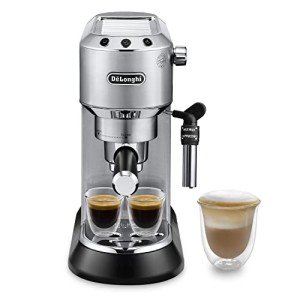
A cafe espresso machine makes espresso by pumping pressurized water through finely ground coffee beans. The tiny coffee maker is a technological marvel. It is comprised of a reservoir with an handle and an individual head (or "basket") that connects to the portafilter. The portafilter is a small filter that holds the grounds, and it has to be tamped down before being placed into the gasket to ensure proper pressure and flavor extraction. The espresso machine also has an nozzle and steam arm to warm the milk for drinks such as cappuccino and the latte.
The controls of an espresso machine are simple to read and straightforward. The switch for on and off is clearly marked, and the indicators indicate whether the heating chamber is hot or cold. The control valve is used to start water flow through the portafilter, when the brew buttons are activated. It is also used to control the flow of steam through the wand. The brew button and steam button can be programmed to suit a particular taste.
The majority of espresso machines are designed to deliver up to 20 bar of pressure. While this could help the machine make an excellent shot, it is important to remember that higher pressure isn't always better. In fact, excessive pressure can cause over-extraction and bitterness in the espresso.
A good espresso machine will be able make a decent shot using portafilters that have not been properly tamped or grounds that are inconsistent. A great espresso should have a thick creamy crema that is able to stick to the cup. It must also have a fresh, sweet flavor and a pleasant scent.
A basic espresso machine is a good choice for the home, but more advanced machines are an excellent investment for coffee shops and businesses. There are many cafes that offer a variety of top-of-the-line espresso machines. The best espresso machines have features such as multi-boilers and advanced PID controls.
These machines are more expensive but they'll provide the most stable drink than a less expensive one. They will also be easier to use, and will allow you to create a wider variety of specialty drinks. They also offer an improved experience than pod-based machines.
Easy to clean
An espresso machine is a major investment that will deliver energy-boosting shots of coffee to your customers. It also boosts your business by enhancing the coffee experience, and is a great method to increase revenue per ticket. Like all other pieces of equipment, it requires proper maintenance and cleaning. This will keep your coffee fresh and delicious and prolong its lifespan.
There are a variety of cleaning products for espresso machines , such as descaling solutions. Before using them products, make sure you check the manufacturer's recommendations. The wrong product can harm your espresso machine, or cause unpleasant flavors in drinks.
Clean your espresso machine in the cafe each day. Professional baristas will usually do this at the end of each working day, but you can make it part of your routine cleaning routine. First, wash the portafilters as well as the group head with hot water. Make use of a brush to eliminate any stains. Also, you should wipe the portafilter holder, the water screen, and steam arm with a soft cloth. If your espresso machine is equipped with a drip tray you should clean it regularly.
Another important step is to backflush your espresso machine. This can be accomplished by cleaning and brushing the group head. This is necessary to remove the dregs left behind after the brewing process. A majority of espresso machines come with a backflush feature that you can set, but if yours isn't, you can do it manually.
Backflushing your espresso machine at least once per month or every week is recommended. If you don't then a layer of dust can build up over the ports and other parts. This can affect the taste of your coffee and may even make it smell bad. A clean machine will also produce an improved crema, which is the layer of tiny bubbles that cover the top of your espresso.
Easy to maintain
Equipment and staff are two of the factors that determine the success of a specialty café. If either fails the coffee shop may be in hot water - literally. It is recommended to schedule a routine service with a reputable repair and maintenance service to avoid this. This will save you money and ensure that your espresso maker is ready for the morning rush.
It's not easy to schedule regular maintenance, but it's better than having to deal a catastrophic failure of equipment during the morning rush. It will also keep your customers satisfied and they'll be back to enjoy more of the delicious brews you're famous for.
A coffee machine's maintenance schedule should include daily cleanings of the removable parts as well as regular replenishment of the water tank. This will reduce the risk of water residue accumulation and mineral deposits. The kind of water used in the machine also influences the frequency and intensity of mineral buildup. Hard water will cause minerals to accumulate faster while soft water or filtered water is less harsh on the equipment.
It is important to check the water pressure and temperature frequently, as well as cleaning the shower every day. They can be affected in a variety different ways, including the quality of water and the pressure of the steam wand. If the pressure of water is low, it's important to adjust it to the recommended levels set by the manufacturer.
The group head is an crucial component of an espresso machine, and it needs to be maintained regularly. It is the main pathway for water to travel through the machine, and directly affects the taste of the coffee that is brewed. Keep the group head clean to avoid it developing a bitter taste.
If you want your maintenance to be the best get someone who is specialized in your brand of espresso machine. This will ensure that the technician is knowledgeable about your machine, and is able to solve any issues that might arise. This is especially important if your machine is an uncommon model.
Easy to make
A cafe espresso machine utilizes high pressure to force water through coffee grounds, resulting in a highly caffeinated beverage that can be consumed with milk or with ice cream and other ingredients. The process is simple, and the result is delicious. Espresso machines are a great way to begin if you're brand new to the world of making espresso. The most basic machines function by heating water in an airtight container, and then forcing the water under pressure of 9 bar through the ground to create the espresso shot. The more sophisticated machines use the same process however, they utilize different components, such as pneumatic systems and computerized control.
The basic machine consists of a grouphead, portafilter, steam wand as well as spouts for serving espresso or hot water. The portafilter is a removed basket that is used to pack and secure the ground coffee. The handle is connected directly to the spigot which is where the espresso is brewed. The spigot is also equipped with an option switch that can be switched from the espresso position to the steam position. The switch is activated by a microswitch, which starts the pump and pressurizes it to 15 atmospheres (200 psi). It also forces water through the ground.
A lot of models have the capacity of a reservoir for water in addition to the standard machine. When a button on the machine is pressed, water is pumped at high pressure from the reservoir through the brewing chamber and into the filter. The spouts of the machine are triggered to start delivering espresso shots. The brew cycle for one 1.5-ounce espresso shot should take approximately 25 seconds.
The spouts can be switched between espresso hot or steam and the wand could be used to heat milk and froth it for latte, cappuccinos and so on. The switch can be switched back to the espresso position to start another cycle or the pump could be shut off by pressing the switch once more.
As you gain experience, you'll know the exact steps to make the perfect espresso and other drinks. It is crucial to keep in mind that these basic guidelines do not replace tasting tests and testing. The best way to learn about espresso is to try it.